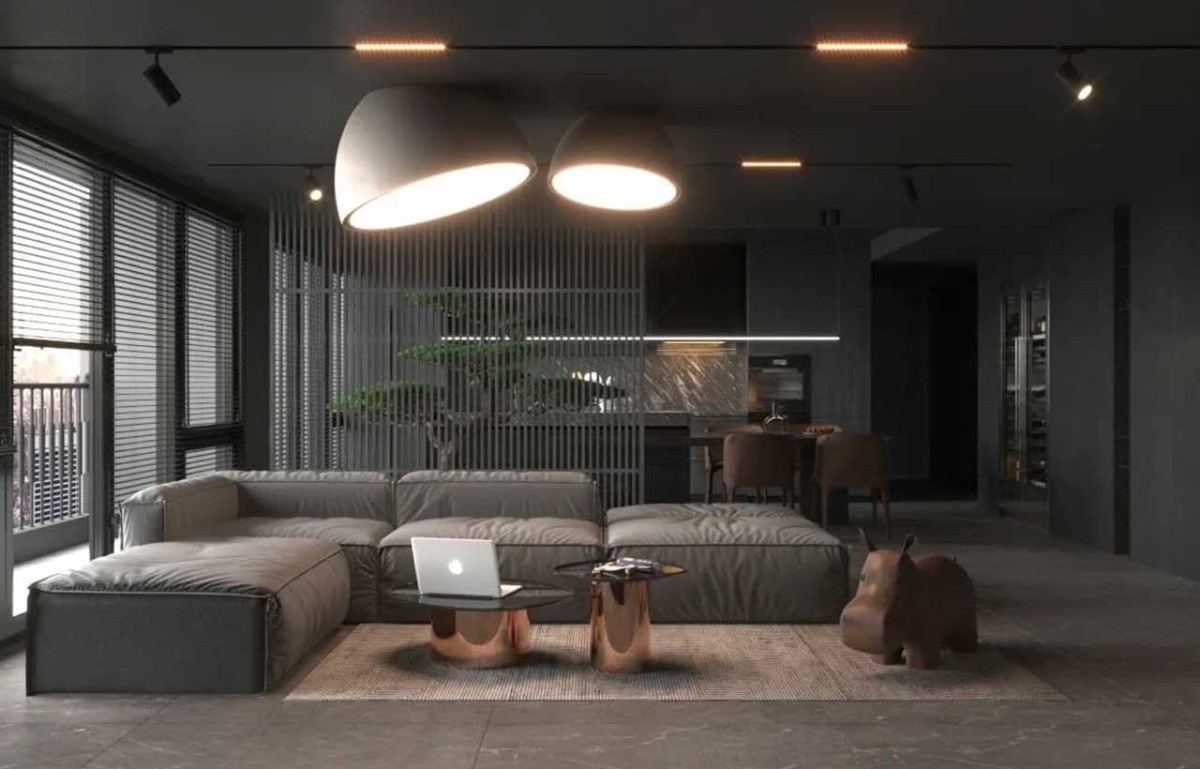
How to Achieve the Perfect Modern Interior Design in today’s fast-paced world, Modern Interior Design has become synonymous with clean lines, open spaces, and a fusion of function and style. Whether you’re redesigning a room or building your dream home, achieving the perfect Modern Interior Design involves a balanced approach, understanding your personal aesthetic, and embracing the latest trends while staying true to timeless principles. This guide will walk you through the key elements, trends, and strategies for creating a modern interior that is both functional and visually stunning.
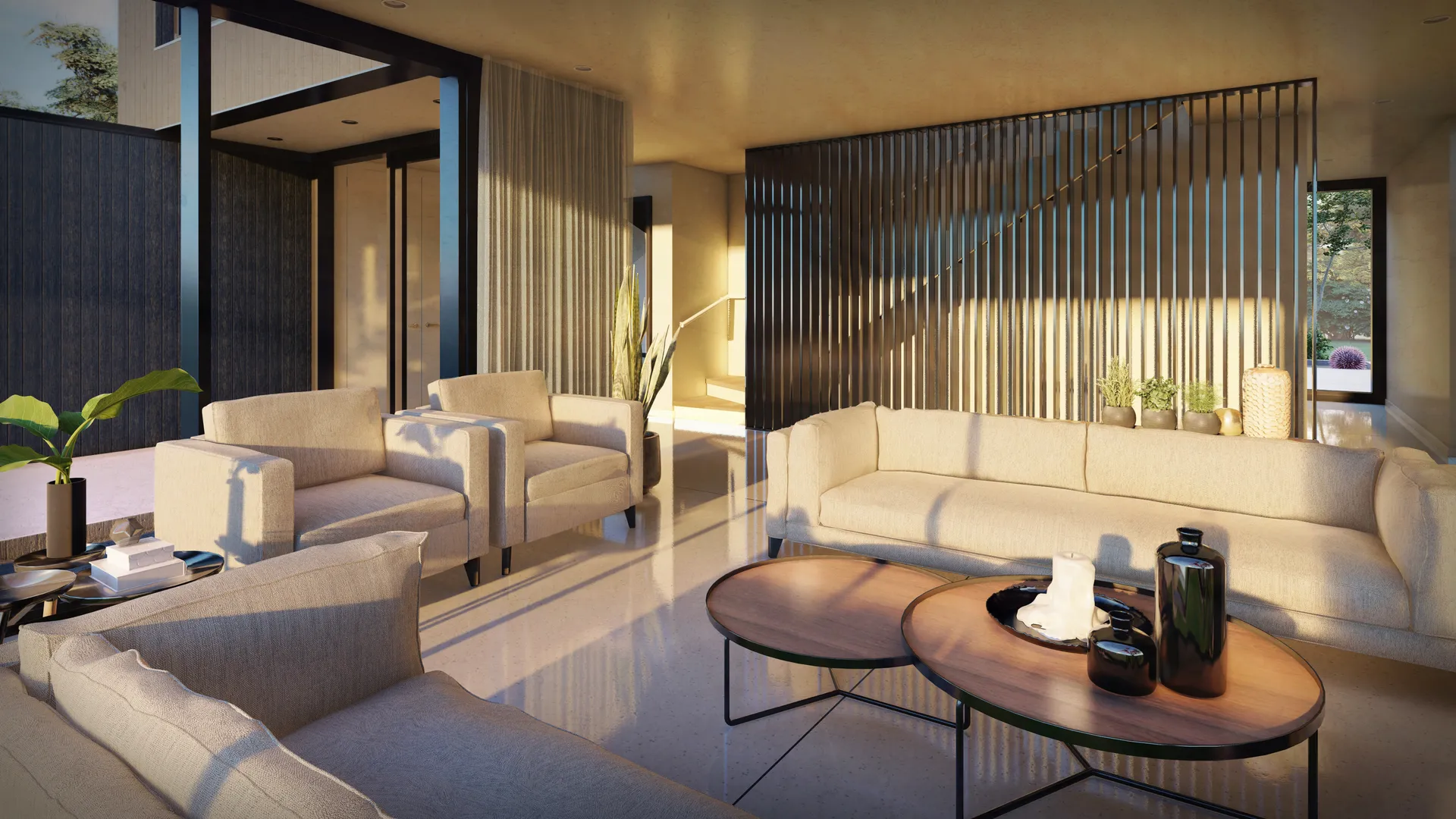
Understanding Modern Interior Design
Before diving into the specifics, it’s essential to understand what Modern Interior Design truly represents. Modern design is often confused with contemporary design, but they are distinct. While contemporary design reflects current trends, Modern Interior Design refers to a style that emerged in the early to mid-20th century. It emphasizes minimalism, simplicity, and a neutral color palette, paired with the clever use of space and light.
The key elements of Modern Interior Design include:
- Clean lines and geometric shapes – Forget overly ornate designs; modern interiors focus on simplicity with strong lines and clean forms.
- Neutral colors – Think whites, grays, and blacks. While some bold accents may be used, the dominant hues are subtle and calming.
- Natural materials – Wood, metal, and stone are commonly used, often left untreated to showcase their natural beauty.
- Functionality over decoration – Every piece of furniture and decor has a purpose. There’s no room for unnecessary embellishments.
Now that we have a basic understanding of the concept, let’s dive into the steps required to bring this modern aesthetic into your home.
1. Simplify Your Color Palette
When it comes to Modern Interior Design, less is more. The foundation of modern style begins with a neutral color palette. Whites, blacks, grays, and beige tones dominate the design, offering a calm and serene backdrop that allows the furniture and architectural features to stand out. These colors create a sense of space and airiness, making even small rooms feel more expansive.
However, that doesn’t mean your room needs to be devoid of personality. Incorporating accent colors through artwork, textiles, or furniture pieces can bring vibrancy to the space without overwhelming it. For example, consider introducing bold colors like deep navy, mustard yellow, or emerald green in small doses through throw pillows, rugs, or a statement chair.
2. Embrace Minimalism and Declutter
A defining characteristic of Modern Interior Design is the emphasis on minimalism. This means reducing the clutter and focusing on functional, beautiful pieces that serve a purpose. In a modern home, each piece of furniture or decoration must have a reason to exist. If something no longer serves you or adds to the aesthetic of the room, it should be removed.
Start by evaluating your space. Are there too many small items taking up valuable space? Consider removing excess furniture, knick-knacks, and décor items that aren’t essential. This doesn’t mean your home should be barren, but it should prioritize clean, open spaces that encourage relaxation and ease of movement.
For a modern space, opt for larger statement pieces, such as a sleek sectional sofa, a striking coffee table, or an impressive piece of art. The goal is to have fewer but more meaningful objects in the room.
3. Choose Furniture with Clean, Simple Lines
Furniture is one of the most crucial elements of Modern Interior Design. Modern pieces often feature sleek, clean lines and geometric shapes that create an aesthetically pleasing but functional environment. Look for furniture that avoids intricate carvings, florals, or overly ornate designs.
Think about selecting sofas with low profiles, straight arms, and simple yet comfortable designs. Tables should have sharp edges or rounded corners with metallic or wooden finishes that enhance the overall sleekness of the room. For example, a large sectional sofa with sharp lines in a neutral tone can become the centerpiece of a living room, while a glass and metal coffee table complements the modern look with its transparency and minimal visual weight.
Keep in mind that Modern Interior Design places a strong emphasis on ergonomics, so comfort is equally important. Look for pieces that combine aesthetics with practical use—furniture should be not only visually pleasing but also functional for everyday living.
4. Incorporate Natural Materials
While Modern Interior Design is often associated with metal and glass, incorporating natural materials can create a beautiful contrast. Wood, stone, and other organic elements add warmth to a modern space while keeping the look grounded and organic.
For example, a polished wooden floor can add character and richness to a neutral-toned room. Pair it with natural stone accents in the form of a fireplace surround, kitchen countertop, or bathroom sink to introduce texture and depth. You can also add wicker, rattan, or linen elements for a more relaxed, yet still modern, vibe.
The key here is balance. Too much metal and glass can make a space feel cold and sterile, so pairing these materials with warm, earthy tones will create a balanced environment that is both welcoming and chic.
5. Focus on Open Spaces and Flow
One of the defining features of Modern Interior Design is the focus on open, flowing spaces. Modern interiors are designed to feel airy and spacious, with large, open floor plans that encourage movement and natural light. Whether you are designing a small apartment or a large house, the goal should be to create spaces that feel connected and spacious.
Open shelving, minimalist furniture arrangements, and the strategic placement of items can help achieve this sense of openness. Use furniture to define areas without creating walls. A dining area can be defined with a statement dining table, while a cozy reading nook can be made by adding a single, comfortable chair next to a bookshelf.
In small spaces, the use of mirrors can make the room feel larger by reflecting light and creating the illusion of depth. Floor-to-ceiling windows, glass doors, and skylights can also invite more natural light into the space, making it feel more expansive.
6. Use Lighting to Enhance the Mood
Lighting plays a pivotal role in Modern Interior Design. The right lighting can completely transform the atmosphere of a room. Modern lighting tends to be functional, clean, and stylish. Pendant lights, recessed lighting, and track lighting are great choices for modern homes, providing both ambient and task lighting.
Consider installing adjustable dimmer switches to control the light intensity according to your mood and the time of day. A statement floor lamp with a geometric design or a sleek, sculptural pendant light can double as a piece of art, adding character to your modern space.
For added effect, think about using floor lamps or wall-mounted fixtures to illuminate architectural details or highlight artwork. Layering light with different types of lighting (ambient, task, and accent) will create the right mood and enhance your Modern Interior Design.
7. Incorporate Artwork and Décor Pieces Strategically
While minimalism is key to modern interiors, this doesn’t mean your walls and surfaces should be barren. Strategic placement of artwork, sculptures, and decor items can inject personality into your home. The trick is to keep it simple and sophisticated.
When choosing art for a modern space, opt for pieces that are clean and bold. Abstract paintings, black and white photography, or minimalist art can create focal points without overwhelming the room. Large pieces of art on a feature wall can become the center of attention, while smaller pieces can be grouped together in a grid or aligned along a shelf.
Similarly, choose decorative items that are sleek and stylish, like a single statement vase or a sculptural object on a coffee table. Too many trinkets can make the space feel cluttered, so always choose quality over quantity.
8. Use Smart Technology for Functionality
In today’s world, Modern Interior Design is not just about aesthetics but also about functionality. Incorporating smart home technology into your design can improve both convenience and comfort. Smart thermostats, automated lighting systems, voice-controlled assistants, and even smart furniture can elevate the functionality of your modern space.
For example, a smart thermostat allows you to control the temperature of your home with ease, while voice-controlled lighting can help you adjust the ambiance of the room at the touch of a button. Even modern furniture designs often come equipped with built-in charging stations, Bluetooth speakers, or adjustable features to enhance comfort.
Smart technology blends seamlessly with modern interiors, providing the ultimate in convenience and style.
9. Experiment with Textures
While Modern Interior Design tends to favor clean lines and neutral colors, adding texture is an essential step in creating a warm, inviting space. Incorporating various textures, from plush rugs and soft textiles to sleek leather and shiny metals, adds depth and richness to a modern room.
Textiles like linen curtains, velvet cushions, or wool throws can soften the look of modern furniture, while metal finishes or glass can add a touch of sophistication. Pairing contrasting textures, like a smooth leather sofa with a soft wool rug, creates visual interest without compromising the clean, minimalist vibe of modern design.
10. Pay Attention to the Layout and Flow
A successful modern interior isn’t just about choosing the right pieces—it’s also about the arrangement. A well-thought-out layout can make the space feel cohesive and functional. Start by creating distinct zones within the room while maintaining an open flow. For example, in a living room, place the sofa facing the focal point (like a fireplace or TV) but allow space for easy movement between areas.
The flow of the room is crucial. Avoid overcrowding and ensure there is enough space to walk freely. If possible, create pathways that allow people to naturally move through the space without feeling confined.
Achieving the perfect Modern Interior Design is about creating a balanced, functional, and aesthetically pleasing space. By simplifying your color palette, embracing minimalism, incorporating natural materials, and carefully considering layout and furniture, you can transform any room into a modern haven. With the right attention to detail, lighting, and design choices, your home will reflect not only modern trends but also your personal style and comfort.